
By exploring who uses technology, who creates it and whose stories are represented within it, Cynefin Digidol aims to help people of all ages feel that technology is something they can shape, not just use.
A new Swansea University project is putting working computers from the 1980s into the hands of school students, families, refugees, jobseekers and older adults, using Wales's computing heritage to build digital confidence and inclusion today.
Cynefin Digidol explores how connecting people to the computing history of their local communities can help them see themselves as part of an increasingly digital world.
Digital exclusion remains a significant challenge across Wales. Older people, those out of work and people living in areas of deprivation are among the groups least likely to feel confident using technology, despite digital skills becoming essential for accessing services, employment and everyday opportunities.
Taking its name from cynefin, meaning a sense of place and belonging, the project is built on the premise that ownership comes before confidence. By exploring who uses technology, who creates it and whose stories are represented within it, Cynefin Digidol aims to help people of all ages feel that technology is something they can shape, not just use.
Dr Megan Venn-Wycherley, project lead and lecturer in Swansea University’s Computer Science Department, said: “There is an assumption that computing happened somewhere else: London, or America. Wales has a remarkable computing history that few people ever get to hear about, and it belongs to the communities we work with, at every age.
“We want this to reach people who would never think of themselves as being ‘computing people’, so we go to community centres, theatres and museums, wherever people already feel at home.
“We’re keen to hear from organisations, schools and local groups across Swansea and the surrounding region that would like to host a session or take part.”
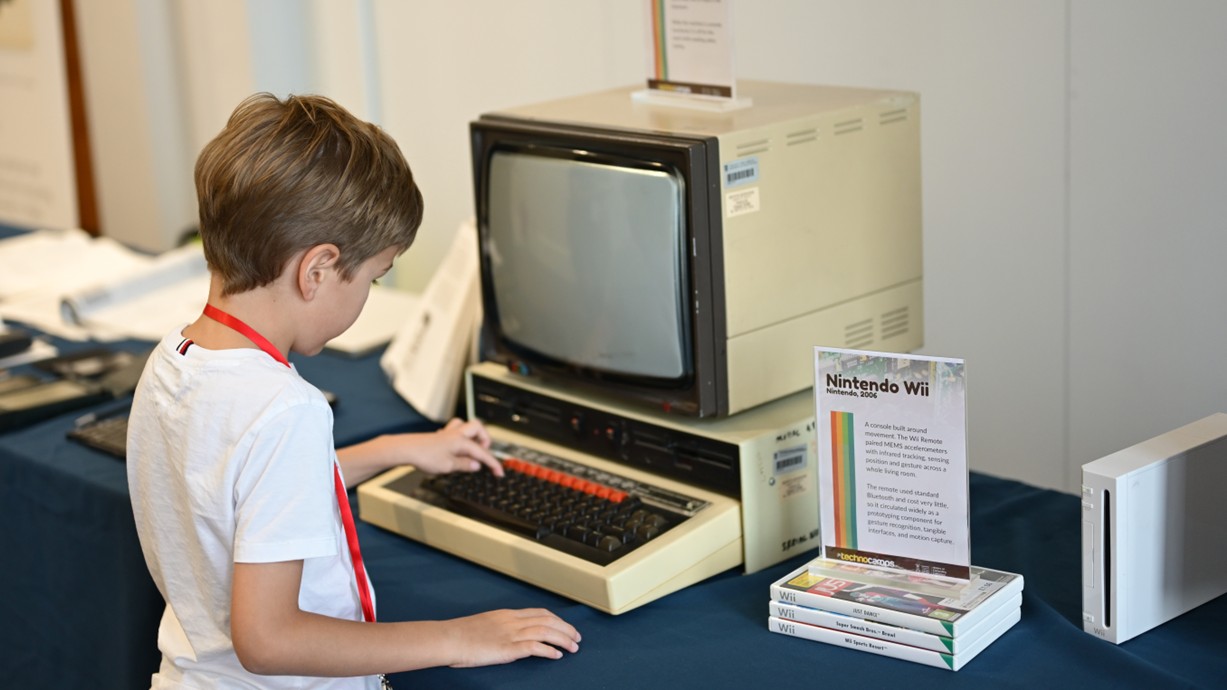
The project draws on Swansea University’s History of Computing Collection, giving participants the chance to switch on and use historic computers for themselves, alongside unplugged activities that require no technology at all.
All sessions will be delivered bilingually in Welsh and English by Technocamps, building on Swansea University’s long-standing commitment to widening participation in computing education across Wales.
Dr Venn-Wycherley said: “People tell us they find technology intimidating, and modern machines do very little to help. Everything is sealed shut and shrunk down until there is nothing left to see.
“The machines in our collection come from a time when you could lift the lid and follow what was happening, and that makes them a much more welcoming place to begin.”
From September to December 2026, the project will work with community groups across Wales through a co-design model, enabling participants to co-create digital experiences that reflect their own interests, histories and perspectives.
Cynefin Digidol will also be showcased at this year’s Festival of Social Science and Swansea Science Festival, where visitors will have the opportunity to get hands-on with working heritage machines, share their own memories and experiences of technology, and contribute to the research as it develops. The family-friendly stand will feature vintage computers, games and puzzles for all ages.
Visit the Cynefin Digidol website to share your experiences of computing in Wales and find out about upcoming events and activities.