Marine Biology, BSc (Hons)

Discover Swansea at our next Open Day

Book your place today
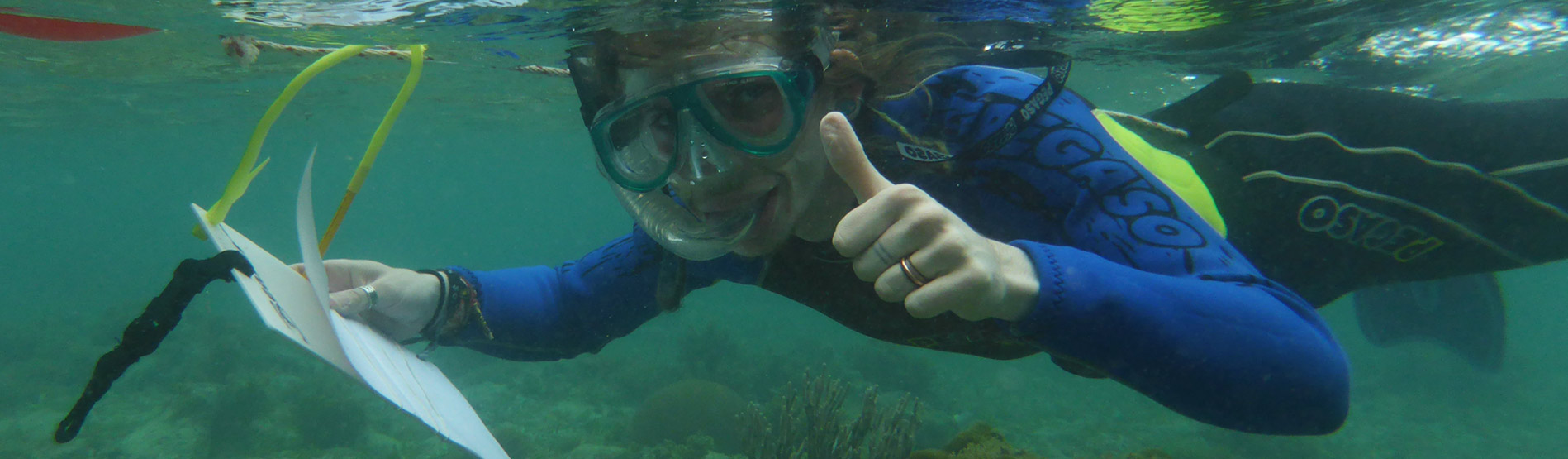
Student Snorkeling in Puerto Rico

Course Overview

Due to vital ongoing issues with our oceans, an academic understanding of ocean life across the world has never been more important.

Our Marine Biology degree will provide you with the knowledge and skills needed to make meaningful contributions towards solving current environmental and societal challenges. The breadth and depth of the curriculum allows you to develop a deep understanding of marine ecosystems and the biological principles that govern life in our oceans. 

The programme encourages you to consider the impact of human activity on marine environments, and to explore sustainable approaches to conservation. 
As a graduate, you will be equipped to become an advocate for the ocean, contributing to solutions for climate change, pollution, habitat loss and biodiversity decline.
You will also gain proficiency in laboratory and field techniques, data analysis, and scientific communication, preparing you to tackle global issues such as biodiversity loss, climate change, and other environmental crises. 

Our degree uses ethical, sustainable and innovative approaches to fully prepare you for a range of meaningful careers in areas including marine science, conservation, and environmental management.
Why Marine Biology at Swansea?

Marine Biology at Swansea University has a strong reputation and draws students from all over the world. You will be based on our Singleton Park Campus, set in beautiful parkland overlooking Swansea Bay, where your learning will be shaped by inspirational and internationally-recognised academics.

You will study on a leading Marine Biology programme, which is currently ranked:

  • 6th in the UK for Overall Positivity (NSS 2025) - assessed under 'Ecology and Environmental Biology'*
  • 11th in the UK for Research Quality (Complete University Guide 2026)
  • 14th in the UK for Research – assessed under ‘Biological Sciences’ (The Times and Sunday Times Good University Guide 2026)

* Based on the overall positivity score for questions 1-26 in the NSS 2025, when ranked against universities as featured in the Times Good University Guide.

Your Marine Biology Experience

Boat work on the Research Vessel Mary Anning, fieldwork on local shores and work in our cutting-edge laboratories are all core parts of the degree. As Marine Biology is so broad, you can tailor your path to be field or lab focused, depending on your interests.
Your first year will deliver a solid grounding in biology, encompassing the diversity of life, cellular and microbial biology, animal behaviour, ecology, evolution, genetics and the importance of the oceans to life on Earth. You will also learn the core skills of scientific writing, and data presentation and analysis.

You will begin to fully specialise in marine biology in your second year, with a range of dedicated modules and a residential field course. Year two contains a substantial amount of fieldwork on local shores, and aboard our research vessel, the RV Mary Anning, equipping you with real-world practical experience and important skills. 

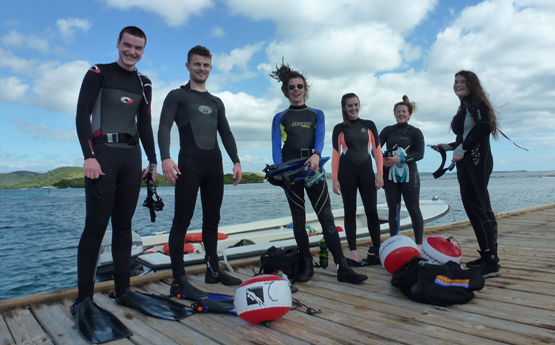
Year 3 allows you to develop advanced skills ready for your career, including surveying, project management and data presentation. You can also choose to undertake an international field course teaching tropical ecology and in-water surveying skills, with past locations including India, Borneo and Puerto Rico. The year will complete with a capstone research project.

This programme includes opportunities to undertake a Year Abroad, offering invaluable life experience. 

This course also offers you the opportunity to spend a Year in Industry, in the UK or overseas, enabling you to gain valuable workplace experience. The University advocates for paid-only placements, which on average have a salary of over £20,000. Unpaid placements are considered on a case-by-case basis. 
The Year in Applied Research enables you to develop advanced research skills. You will be housed in our research groups, on exchange with our partners in Exeter or Aberystwyth, or can be linked with industry, or a combination of these options.

The optional Foundation Year for this programme can give you an exciting introduction to higher education, setting you up with the skills, confidence, and knowledge that you’ll need to be successful in your undergraduate degree. It’s ideal if you need a little more support after further education, or are returning to education after a gap. Following successful completion of the Foundation Year, you will progress onto Year 1 of your BSc.

Marine Biology Employment Opportunities

Our department has strong connections with national and international organisations such as Natural Resources Wales, The British Mammal Society and The National Wetlands Centre Wales, which all add value to your studies.
Our curriculum is specifically tailored to enhance your graduate employability and help you stand out to employers. Authentic, employer-focused, technical and transferable skills are interwoven into every module. 

In your second and third years, you will have the opportunity to attend a careers conference, where employers are invited to provide talks and workshops, to enhance your knowledge of employment opportunities, enabling you to work towards a dedicated career goal. In your final year, you will have the opportunity to undertake professional skills modules that allow you to experience work-simulated learning, enhancing your skills ready for the workplace.

You will also have the opportunity to gain work experience with our research groups across the department, who offer short work placements, and dissertations are often aligned with employers where possible. Industrial partners also provide regular training courses. Employability is interwoven within the Personal Tutoring System, and you will be encouraged to create a personal development plan and discuss your aspirations with your Personal Tutor.

Our degrees are accredited by the Royal Society of Biology. Some of our staff are Members of the Chartered Institute of Ecology and Ecological Management, and use this network to develop the curriculum and optimise student employment skills and opportunities. 

Our graduates have gone on to secure a number of professional roles, including working as a:

  • Marine Ecologist or Consultant, Marine Conservationist, Dive Operations Manager, Reef Restoration Project Manager, Technician, Researcher, Technology Assistant, Fishery Manager, Data Analyst, Environmental Engineer, Oil Spill Response Specialist, Biotechnologist, Water Analyst, Policy Expert, Teach or Lecturer, Hydrometry and Telemetry Officer, Wildlife and Education Officer, or an Animal Keeper.

Find out why our students love studying Marine Biology at Swansea

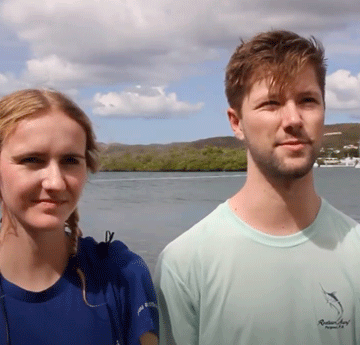
What our students say about our tropical marine field course to Puerto Rico

Find out why our students love studying Bioscience at Swansea

Modules

We're currently reviewing our curriculum to enhance your learning experience and embed skills that will benefit your future career. This means that some modules may be subject to change.

Entry Requirements

We consider all applicants on their own merits and welcome applications from students with a wide range of qualifications.

Marine Biology, BSc (Hons)

Marine Biology with a Year Abroad, BSc (Hons)

Marine Biology with a Year in Applied Research, BSc (Hons)

Marine Biology with a Year in Industry, BSc (Hons)

Marine Biology with a Foundation Year, BSc (Hons)