
New Study by Swansea University PhD Student
A new study led by Swansea University has found that upstream river management, rather than local rainfall, is the main factor controlling the health of Iraq’s Mesopotamian Marshes, one of the world’s most significant wetland ecosystems. Published in Nature Scientific Reports, the research analysed more than two decades (2000–2023) of satellite observations alongside rainfall and river flow records. The Mesopotamian Marshes, a UNESCO World Heritage Site in southern Iraq, are known for their unique biodiversity and cultural heritage.
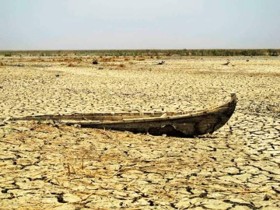
The study found that although vegetation and surface water increased following restoration efforts, these improvements were repeatedly disrupted by severe declines linked to regional droughts, upstream dam operations, and water management decisions. River flow from the Tigris and Euphrates rivers was identified as the dominant driver of marsh vegetation, while local rainfall had a much smaller influence. The researchers also identified a positive feedback mechanism in which vegetation loss increases surface temperatures, further intensifying stress on the wetland ecosystem. The findings highlight the need for greater international cooperation between countries sharing the Tigris-Euphrates river system to ensure adequate water reaches the marshes, particularly during droughts.
Lead author Akram Alqaraghuli, is completing a PhD at the Global Environmental Modelling and Earth Observation (GEMEO) group within Swansea University’s Department of Geography, in the Faculty of Science and Engineering, supervised by Professor Peter North, The project is supported by the Iraq Government, Google, UK NERC National Centre of Earth Observation, and the UK Wildfowl and Wetlands Trust (WWT).