Articles
Peer-reviewed
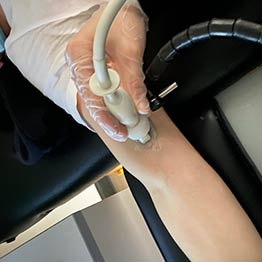
Page, J., Scott, G.A., Aggett, J.N., Stebbings, G.K., Kilduff, L.P., Murphy, C.H., Waldron, M., Heffernan, S.M., (2024). Dietary factors contributing to measures of ultrasound-derived skeletal muscle echo intensity. Applied Physiology, Nutrition, and Metabolism 49 (12), 1666-1677. DOI: 10.1139/apnm-2024-0256.
North Atlantic Treaty Organisation (N.A.T.O.) Report: Page, J., Heffernan, S.M. and Waldron, M. (2025). Annex J – Performance Nutrition For Fresh Feeding During Military Training and Operations. Title: Equity, Diversity and Inclusion: menu analysis and review of literature for optimal provision among military personnel of varying dietary patterns. Access via (closed assess): https://www.sto.nato.int/document/performance-nutrition-for-fresh-feeding-military-training-and-operations/
Aitkenhead, R., Waldron, M., Conway, G. E., Horner, K., & Heffernan, S. M. (2025). The Influence of Dietary Supplements on Exercise-Induced Gut Damage and Gastrointestinal Symptoms: A Systematic Review and Meta-Analysis. Nutrients, 17(3), 443. DOI: 10.3390/nu17030443.
Rouse, N., Heffernan, S., Page, J., Wilkinson, L. L., & Gatzemeier, J. (2024). Understanding consumption of ‘ultra-processed foods’ that offer a nutritional benefit: A pre-registered protocol. Appetite 199, 107440. DOI: 10.1016/j.appet.2024.107440.
Non-peer reviewed
Vegetarian for Life report: Page, J. and Heffernan, S.M. (2025). Philosophical and religious eating in UK residential care: How the demand for vegetarian and vegan foods could change over the next 10 years. Access via: https://vegetarianforlife.org.uk/files/OMNIPLaNT_Veg4Life_Report.pdf
Vegan Society article: Page, J., Aggatt, J. and Heffernan, S.M. (2021). The OMNIPLaNT Study: investigating the effects of plant-based and omnivorous diets on skeletal muscle, bone and vascular health. Access via: https://www.vegansociety.com/get-involved/research/research-news/omniplant-study-investigating-effects-plant-based-and-omnivorous-diets-skeletal-muscle-bone-and-vascular-health
Scientific conference presentations
ECSS 2025 Rimni: Aitkenhead, R., Waldron, M., Conway, G.E., Horner K. and Heffernan, S.M. Eight-days of fava bean protein supplementation improves thermoregulation without exacerbating gastrointestinal symptoms during exercise in a hot environment. Access via: https://www.ecss.mobi/DATA/CONGRESSES/RIMINI_2025/DOCUMENTS/BOA/RIMINI_BOA_WEB.pdf
ECSS 2025 Rimni: Aitkenhead, R., Waldron, M., Conway, G.E., Horner K. and Heffernan, S.M. Twelve weeks of multi-mineral Red Algae supplementation reduces exercise-induced gastrointestinal syndrome and enhances exercise economy in recreationally active runners. Access via: https://www.ecss.mobi/DATA/CONGRESSES/RIMINI_2025/DOCUMENTS/BOA/RIMINI_BOA_WEB.pdf
British Feeding and Drinking Group 2024 Anglia Ruskin University, Cambridge: Rouse, N., Heffernan, S.M., Page, J., Wilkinson, L.L. and Gatzemeier, J. Understanding consumption of ‘ultra-processed foods’ that offer a nutritional benefit: A pre-registered protocol: https://www.aru.ac.uk/-/media/Files/Faculty/FSE/all-abstracts-BFDG2024.pdf
ECSS 2024 Glasgow: Page J., Stebbings G. K. , Murphy C.H. , Kilduff L.P. , Waldron M. , Heffernan S.M. Bone and muscle properties in habitual plant-based dieters and omnivores: an OMNIPLaNT study. Access via: https://www.google.com/url?sa=t&source=web&rct=j&opi=89978449&url=https://www.ecss.mobi/DATA/CONGRESSES/GLASGOW_2024/DOCUMENTS/2024_BOA_Web.pdf&ved=2ahUKEwiaxvSjjvmQAxXxT0EAHQKYD9oQFnoECAoQAQ&usg=AOvVaw0RP6bjJWsJQUQ1DD21AOkO
ECSS 2023 Paris: Page, J., Stabbings, G.K., Murphy, C.H., Kilduff, L.P., Waldron, M., Heffernan, S.M. Comparison of vascular structure and function between habitual omnivores, vegetarians and vegans: an OMNIPLaNT pilot study, page 667: https://www.ecss.mobi/DATA/CONGRESSES/PARIS_2023/DOCUMENTS/BOA_Paris_2023_Web.pdf
BASES Student Conference 2023 Anglia Ruskin University, Cambridge: Rees-Millns, S., Page, J., Heffernan, S.M., (2023). Assessing habitual dietary nitrate intake on vascular structure and function, Graduate Journal of Sport Science, Coaching, Management, & Rehabilitation, 1, 1–92, https://doi.org/10.19164/gjsscmr.v1i1, https://journals.northumbria.ac.uk/index.php/gjsscmr/issue/view/124/132
ECSS 2022 Sevilla: Page, J., Stabbings, G.K., Murphy, C.H., Kilduff, L.P., Waldron, M., Heffernan, S.M. Bone and muscle properties in habitual meat eaters comparted to non-meat eaters: an OMNIPLaNT pilot study, page 209: https://www.researchgate.net/publication/363250887_BOOK_OF_ABSTRACTS