Fusion Engineering, MSc

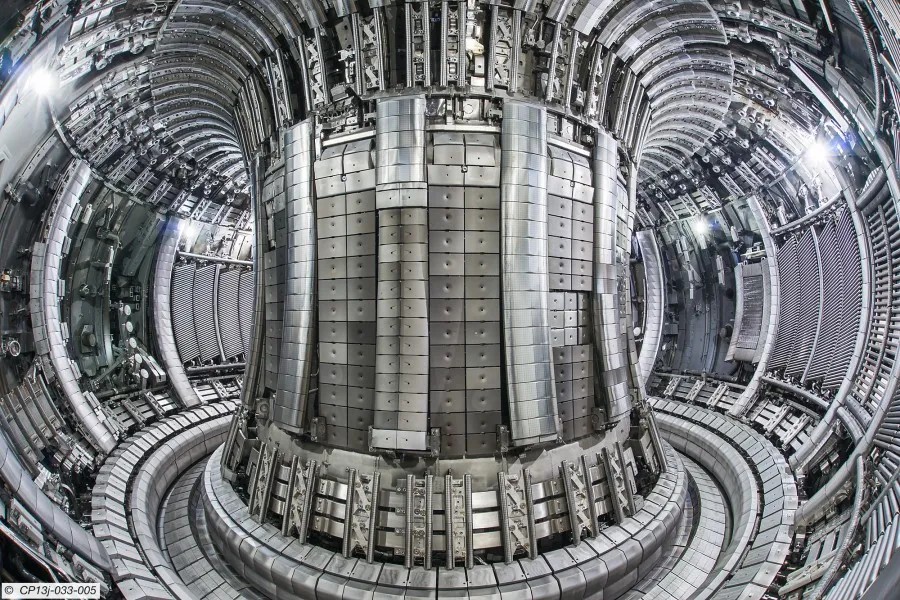
Tokamak fusion reactor

Course Overview

The MSc in Fusion Engineering has been designed as an interdisciplinary programme, covering aspects of underlying fusion science and technology, the engineering of high temperature thermofluids, high performance materials, structural integrity, advanced computational simulation and modelling along with the engineering management skills needed for such complex projects.

Co-designed between Swansea and the UK’s growing nuclear fusion sector, coordinated through UK Atomic Energy Authority (UKAEA). The programme is ideal for students who want to combine their fundamental academic knowledge in Engineering or Physical Sciences with some significant cross-disciplinary real-world challenges.

Our programme focuses strongly on the development of the skills and attributes needed for a professional engineering career, including teamwork, design, practical and communications skills, project management, leadership and self-directed learning.

Our close collaboration with UKAEA and the wider fusion sector includes guest lectures delivered by UKAEA professionals and collaborative projects, providing learners with up‑to‑date insights into current industrial practice and emerging developments in the field.

Why Fusion Engineering at Swansea?

Engineering at Swansea is internationally recognised for its research excellence and strong links with industry. Our reputation is built on world‑class teaching, cutting‑edge facilities and an innovative research culture that drives real‑world impact.

Our MSc in Fusion Engineering has been created in close partnership with the UKAEA, ensuring the programme reflects the needs of the rapidly developing fusion sector. This collaboration brings direct industry insight into the curriculum and helps us stay aligned with emerging challenges and opportunities. It also means you’ll benefit from ongoing industrial engagement as the field continues to evolve.

Your Fusion Engineering Experience

Our MSc in Fusion Engineering is taught within the Department of Mechanical Engineering at the Bay Campus.

In your first semester, you’ll be introduced to the fundamentals of fusion science and technology, alongside modules in simulation and engineering business management. This combination ensures that all students, whether returning to study or changing fields, can establish a strong foundation.

In the second semester, the focus becomes more technical, with modules in thermofluids, materials, and manufacturing. Teaching goes beyond traditional lectures, using design case studies, computer labs, hands‑on practical work, and group projects to support different learning styles.

Assessment is varied and designed to reflect real‑world engineering tasks. Across the taught modules, you’ll complete a mix of exams, reports, case studies, presentations, practical work, and online assessments.

In your final semester, you’ll carry out an individual dissertation linked to a current industrial challenge, with input from our industry partners. This gives you the chance to apply what you’ve learned to a real engineering problem and build valuable professional experience.

Fusion Engineering Employment Opportunities

Graduates of our MSc Fusion Engineering programme leave equipped with the advanced technical expertise, systems simulation and business management all needed to thrive within the field.

As a graduate, you will be well positioned for a wide range of careers across the wider energy sector, manufacturing and consultancy transport, both in the UK and internationally.

The technical scope of the programme will develop your skills and experience to allow you to be competitive for a wider range of engineering roles, including:

  • Research and Development - Plasma physicist, fusion scientist, computational modeler, materials scientist.
  • Engineering - Mechanical/electrical/power engineer, RF/high-voltage specialist, magnet engineer, systems engineer.
  • Project and Commercial - Project manager, verification/validation specialist, commercial lead in fusion supply chains.
  • Other -Safety/environmental roles, data analysis, regulatory compliance.

Modules

We're currently reviewing our curriculum to enhance your learning experience and embed skills that will benefit your future career. This means that some modules may be subject to change.

Entry Requirements

We consider all applicants on their own merits and welcome applications from students with a wide range of qualifications.