We are Creating New Spaces for LGBTQIA+ Community and History
How Art And Research Collaboration Is Shaping New Queer Histories Across The UK
Across the UK, many LGBTQIA+ people continue to experience loneliness, exclusion and marginalisation, issues deepened by discrimination, cultural prejudice and the long-term erasure of queer histories.
This informed the earlier research of Dr Charlotte Jones, now based at Swansea University, whose sociological work with historian Dr Fred Cooper at the University of Exeter explored the complex ways LGBTQIA+ loneliness is shaped by prejudice, lack of recognition, and the lasting effects of community trauma. Their research included a Mass Observation directive, which gathered a large dataset on loneliness in Britain and exposed pressing social gaps in understanding and support, and a co-produced project with students, mapping and journalling loneliness.
It was this research that inspired The Beat of Our Hearts, a creative project led by Dr Charlotte Jones and her team at Exeter University, including playwright Natalie McGrath in partnership with Exeter Northcott Theatre and LGBTQ+ charity, Intercom Trust. Centred on lived experiences of isolation and connection, the project culminated in a stage production exploring queer loneliness and belonging in a small coastal town, and the creation of a community archive.
Providing Spaces For Reflection And Discussion
Building on from the legacy of the original project, Dr Charlotte Jones and playwright Natalie McGrath set out to expand its reach and impact which continued at Swansea University. Supported by the AHRC Impact Acceleration Account, their new initiative explored how creativity can spark conversations around LGBTQIA+ belonging, and how communities respond when their stories are centred and celebrated.
Using Natalie McGrath’s play as a focal point, the project invited participants to engage in workshops, film screenings and open discussions across three regions, Cornwall, Cardiff and Glasgow. Each location offered fresh insights into LGBTQIA+ heritage, mental health, and the different ways communities understand loneliness.
Cornwall
The first phase took place at Kresen Kernow in Redruth, delivered with local partners, Queer Kernow. A closed creative workshop for LGBTQIA+ artists and a public screening of The Beat of Our Hearts drew strong attendance and enthusiastic feedback.
The impact went beyond the events themselves. The play’s themes of archival absence sparked discussions about the lack of a dedicated LGBTQIA+ collection in Cornwall.
This conversation swiftly evolved into a real-world initiative, where Queer Kernow hosted an event in November 2024 to begin developing a new regional queer archive, an unexpected and significant legacy of the project.
Cardiff
In February 2025, the project moved to the Museum of Cardiff, where writer and local LGBTQ+ historian Norena Shopland facilitated a creative writing workshop alongside a film screening of the play. With both events reaching full attendance, Dr Jones and the team were moved by how deeply the audience connected with the play. Their responses opened conversations about how queer lives in Wales are represented, whose stories are told, and what narratives remain missing from the nation’s cultural history.
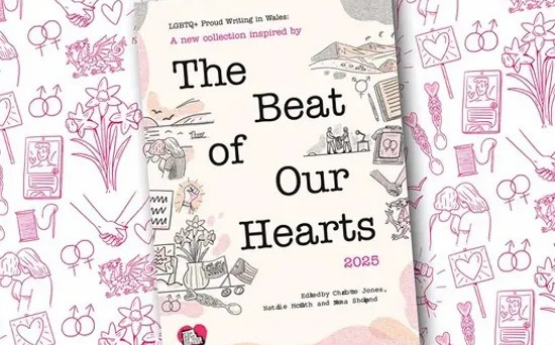
These workshops culminated in a new anthology of LGBTQ+ Welsh writing, LGBTQ+ Proud Writing in Wales: A new collection Inspired by The Beat of Our Hearts, which brings together stories, poems and reflections submitted by these participants.
“I found the process of taking part in the LGBTQ+ Proud Writing in Wales project to be a very uplifting and affirming one. It was an innovative and inclusive way to involve queer people in the dissemination of the research which had informed The Beat of Our Hearts play. Additionally, the publishing of our writing in the book really affirmed that our queer experiences were of value.” Hanna Andersen
The book has since been distributed across libraries, museums and community organisations, and has received media coverage across Wales. It stands as another lasting community-led legacy of the project.
The Cardiff phase also inspired further independent activity: Llanelli Queer Collective hosted its own screening and workshop after attending the event, extending the project’s reach even further.
“Participating in the writing workshop and film screening was a deeply cathartic and healing experience that provided the inspiration I needed to finally record my journey toward self-acceptance of my sexuality. Contributing my story, 'They were Both Naked and were not Ashamed,' to the collection allowed me to transform decades of silence and shame into a sense of freedom and pride.” Sarah Joiner
Glasgow
The final phase took place at Glasgow Women’s Library in May 2025. This intimate gathering brought together LGBTQIA+ playwrights, archivists, academics and cultural workers, many of whom were navigating the emotional impact of the recent UK Supreme Court ruling on the Equality Act.
Designed as a gentle, reflective workshop, the event provided a rare space for cross-sector conversations. Participants explored archival materials, shared personal objects, and discussed the challenges of preserving queer and feminist histories. Several new collaborations emerged from the event, and the gathering offered validation for often isolated work, strengthening the informal networks that sustain LGBTQ+ communities in Scotland and beyond.
The Glasgow event was not only a fitting conclusion to the formal arc of the project, it was also a poignant reminder of the importance of creating spaces where LGBTQ+ people, especially those under current political pressure, can come together, support one another, and imagine new possibilities.
“Being involved in the project was transformational for me. Getting expert insight and support, working with other queer creatives in the room, and finally seeing my work in print was so inspiring. I’m now regularly performing my work, and it’s down to this experience.” Nico Campbell
A Growing Network, A Lasting Legacy
Across all three regions, the project demonstrated the transformative potential of creativity in fostering connection, understanding and belonging. It strengthened partnerships, supported emerging LGBTQIA+ writers and artists, and sparked new heritage initiatives, including Cornwall’s developing queer archive and Wales’ new LGBTQ+ anthology.
Most importantly, the project created spaces where LGBTQIA+ people felt heard, valued and connected, spaces that many participants described as rare or missing in their everyday lives.
Dr Charlotte Jones’s work continues to build on this momentum, shaping new conversations around queer loneliness and ensuring LGBTQIA+ histories are preserved, celebrated and shared.
“What I took away from the project was a new understanding of who I was as a queer person while also being Welsh, that I was indeed part of a community and not as alone as I once thought. It opened up my horizons and taught me new things about queer people within Welsh and queer history.
The publishing of my work meant the most to me, I am limited to what I can do due to my poor health and for the first time in a long time I felt like I achieved something or left my mark somewhere. As someone who studies history, knowing that somewhere I left a piece of who I am and that it will always be there means the world to me and makes me smile.” Colin John